Minor Hysteroscopy in North Delhi — Dr. Raj Kiran
Minor hysteroscopy is a minimally invasive procedure that allows a gynaecologist to look directly inside the uterine cavity using a thin, lighted telescope called a hysteroscope. It is one of the most accurate diagnostic tools available for investigating abnormal uterine bleeding, unexplained infertility, recurrent miscarriage, and abnormal ultrasound findings. In many cases, conditions such as uterine polyps or minor abnormalities can also be treated during the same procedure.
Dr. Raj Kiran is a DrNB-qualified gynaecological oncologist in North Delhi who performs minor hysteroscopy as a day-care procedure at BLK-Max Super Speciality Hospital, Pusa Road, and Max Super Speciality Hospital, Shalimar Bagh — with no major surgical incisions, no overnight hospital stay, and minimal recovery time.
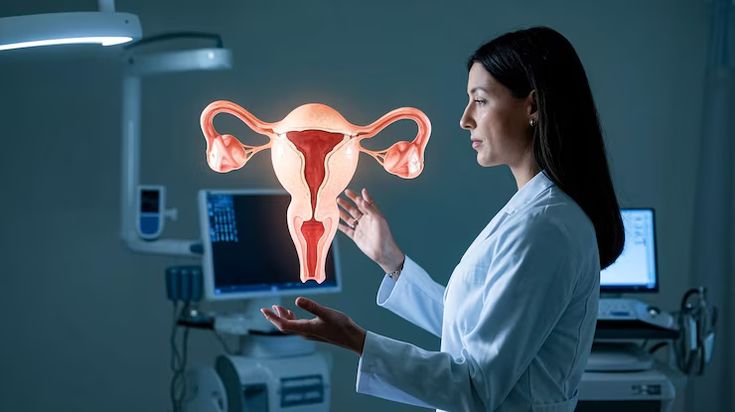
What Is Minor Hysteroscopy?
A hysteroscope is a thin, rigid or flexible telescope — typically 3 to 5mm in diameter — that is passed gently through the cervix into the uterine cavity without any external incisions. The uterine cavity is distended with saline or carbon dioxide to create a clear view, and the entire interior of the uterus — including the endometrial lining, uterine walls, and tubal openings — can be inspected in real time.
Minor (or office) hysteroscopy refers to diagnostic procedures and small therapeutic interventions that can be performed under local anaesthesia or mild sedation, without the need for general anaesthesia or overnight admission. It is safe, quick, and well-tolerated by the vast majority of patients.
When Is Minor Hysteroscopy Recommended?
Dr. Raj Kiran recommends minor hysteroscopy when symptoms, ultrasound findings, or clinical examination suggest an intrauterine problem that needs direct visualisation for accurate diagnosis and treatment.
What Can Minor Hysteroscopy Diagnose and Treat?
One of the key advantages of minor hysteroscopy is that diagnosis and treatment can often be performed during the same procedure, reducing the need for additional surgery.
Conditions Diagnosed by Hysteroscopy
Conditions Treated During Hysteroscopy
The Hysteroscopy Procedure — What to Expect
Understanding the minor hysteroscopy procedure step by step helps reduce anxiety and prepares patients for a smooth and comfortable experience.
1. Preparation
Minor hysteroscopy is usually performed as a day-care procedure without overnight admission. It is commonly scheduled between Days 7 and 10 of the menstrual cycle for the clearest view of the uterine lining.
2. Anaesthesia
Most minor hysteroscopies are performed under local anaesthesia (paracervical block) or mild intravenous sedation for patient comfort. General anaesthesia is usually not required.
3. The Procedure
A thin hysteroscope is gently passed through the cervix without any incisions. Saline is used to expand the uterine cavity for clear visibility while the uterus is examined for abnormalities.
Same-Sitting Treatment
If polyps, fibroids, or adhesions are identified during hysteroscopy, they can often be treated immediately using fine instruments passed through the hysteroscope.
4. Duration
The procedure usually takes between 10 and 30 minutes, depending on whether additional treatment is performed during the same sitting.
5. Recovery After Procedure
Most patients feel comfortable within 1 to 2 hours and can return home the same day. Mild cramping or light spotting for 1 to 2 days is normal after the procedure.
Recovery After Minor Hysteroscopy
Recovery after minor hysteroscopy is usually quick and smooth, with most patients returning to normal activities within a short time.
Benefits of Minor Hysteroscopy
This advanced procedure offers multiple advantages for patients.
Why Choose Dr. Raj Kiran for Hysteroscopy in North Delhi
Dr. Raj Kiran provides advanced minor hysteroscopy services in North Delhi with expertise in gynaecological oncology, accurate diagnosis, and minimally invasive treatment.
Subspecialty Gynaecological Oncology Training
As a DrNB-qualified gynaecological oncologist, Dr. Raj Kiran has specialised expertise in identifying suspicious endometrial lesions, performing accurate biopsies, and interpreting findings in the context of cancer risk.
Diagnosis & Treatment in One Visit
Polyps, small fibroids, adhesions, and targeted biopsies can often be managed during the same hysteroscopy procedure, reducing the need for multiple surgeries or repeat hospital visits.
Day-Care, Minimal Discomfort Procedure
Minor hysteroscopy is performed under local anaesthesia or mild sedation at BLK-Max and Max Hospital Shalimar Bagh, with no overnight stay, no surgical scars, and quick recovery.
Direct Link to Oncology Care
If hysteroscopy reveals endometrial hyperplasia or early cancer, Dr. Raj Kiran personally manages the complete oncology pathway without referral delays or fragmented care.
Two Hospital Locations in North Delhi
Hysteroscopy services are available at BLK-Max Super Speciality Hospital, Pusa Road, and Max Super Speciality Hospital, Shalimar Bagh — both equipped with dedicated gynaecology OPDs and outpatient procedure facilities.
When to Consult a Specialist?
You should seek medical advice if you experience the following symptoms:
Early diagnosis ensures better treatment outcomes and faster recovery.