Vulvar & Vaginal Cancer Treatment in North Delhi — Dr. Raj Kiran
Vulvar and vaginal cancers are among the rarest forms of gynaecological cancers, but they require timely diagnosis and expert treatment. Because these cancers affect sensitive and intimate areas, many women delay seeking medical attention, often mistaking symptoms for infections, skin conditions, or ageing. Delayed diagnosis can allow early-stage, highly treatable disease to progress unnecessarily. Early consultation with a gynaecological oncologist for vulvar cancer can significantly improve treatment outcomes and recovery.
Dr. Raj Kiran is a DrNB-qualified female gynaecological oncologist in North Delhi with specialist expertise in the surgical management of lower genital tract cancers, including organ-preserving approaches wherever oncologically safe. She consults at BLK-Max Super Speciality Hospital, Pusa Road, and Max Super Speciality Hospital, Shalimar Bagh.
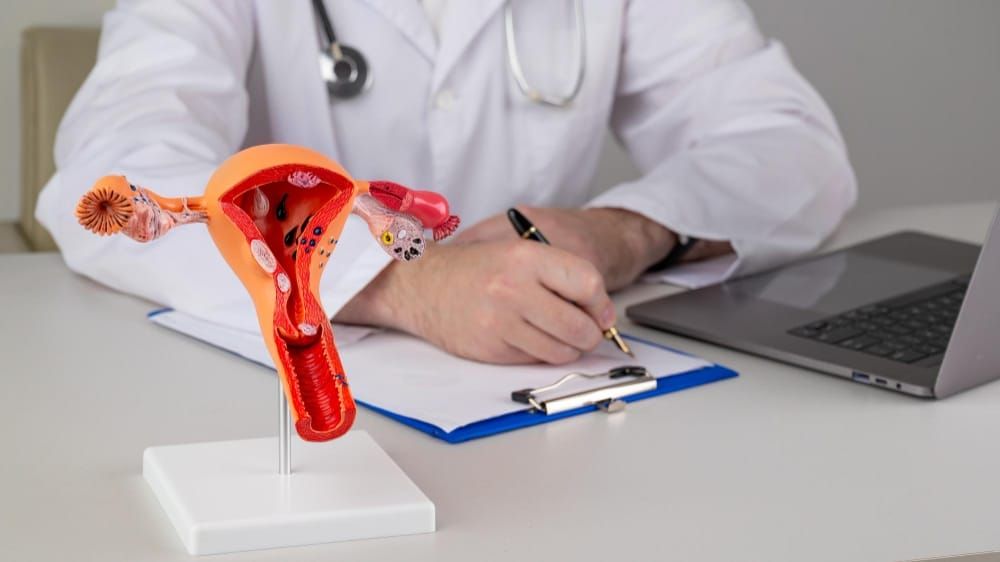
Understanding Vulvar Cancer and Vaginal Cancer
Vulvar Cancer
Vulvar cancer develops in the external female genitalia — most commonly on the labia majora or labia minora. It accounts for approximately 3–5% of all gynaecological cancers. The most common type is squamous cell carcinoma, which is often linked to HPV infection or chronic inflammatory conditions such as lichen sclerosus. Vulvar melanoma, though rare, is the second most common type and carries a different prognosis and treatment pathway.
Vaginal Cancer
Vaginal cancer originates in the tissues of the vagina and is even rarer than vulvar cancer, accounting for roughly 1–2% of gynaecological malignancies. Primary vaginal cancer is distinct from cancer that has spread to the vagina from the cervix, uterus, or other sites. Like vulvar cancer, it is frequently associated with high-risk HPV infection. The most common type is squamous cell carcinoma, typically arising in the upper third of the vagina. Both cancers require evaluation and treatment by a gynaecological oncologist — a general gynaecologist does not have the subspecialty surgical training needed to manage these conditions optimally.
Symptoms — When to See a Specialist
Symptoms of vulvar and vaginal cancer often develop gradually and may resemble common infections or skin conditions. Any symptoms lasting more than two to three weeks should be evaluated by a gynaecological oncologist.
Many of these symptoms may overlap with non-cancerous conditions, but only a specialist examination and biopsy can confirm or rule out vulvar or vaginal cancer. Avoid delaying medical evaluation.
Diagnosis of Vulvar & Vaginal Cancer
Accurate diagnosis of vulvar and vaginal cancer requires specialist examination, biopsy, and advanced imaging for proper treatment planning.
Clinical & Pelvic Examination
Careful examination to identify abnormal skin changes, lesions, lumps, or suspicious areas in the vulva and vagina.
Colposcopy of Vulva & Vagina
Magnified examination used to detect abnormal tissue changes such as VIN and VAIN before invasive cancer develops.
Biopsy
A tissue sample is taken from the suspicious area to confirm vulvar or vaginal cancer and determine cancer type and grade.
MRI of Pelvis
Advanced imaging used to assess tumour spread into nearby structures and assist in surgical planning.
CT Scan / PET-CT
Used to evaluate lymph node involvement and detect distant spread in advanced-stage disease.
Cystoscopy / Proctoscopy
Performed in advanced cases to check whether the bladder or rectum is involved by the cancer.
Treatment Options for Vulvar & Vaginal Cancer
Treatment for vulvar and vaginal cancer is personalised based on cancer stage, tumour size, location, and overall health. The focus is on effective cancer removal with maximum organ preservation.
Surgical Treatment
- Wide local excision (WLE)
- Partial or radical vulvectomy
- Vaginal tumour excision or vaginectomy
- Lymph node assessment & sentinel node biopsy
- Better cosmetic & functional outcomes
- Reduced complications
- Faster recovery
Radiation Therapy
External beam radiation and brachytherapy may be used alone or combined with surgery and chemotherapy.
Chemotherapy
Chemotherapy or concurrent chemoradiation is used in advanced or locally spread cancers.
VIN & VAIN Treatment
- Laser ablation & topical therapy
- Surgical excision for pre-cancerous lesions
- Regular surveillance & colposcopy follow-up
Why Choose Dr. Raj Kiran for Vulvar & Vaginal Cancer in North Delhi
Expert care for rare vulvar and vaginal cancers with organ-preserving surgery, personalised treatment, and multidisciplinary oncology support.
Subspecialty Gynaecological Oncology Training
Advanced DrNB training in rare lower genital tract cancers including vulvar and vaginal cancer.
Organ-Preserving Surgical Approach
Focus on preserving normal tissue and function using wide local excision and minimally invasive techniques wherever possible.
Female Specialist for Sensitive Concerns
Compassionate and respectful consultation environment for discussing intimate symptoms comfortably.
Sentinel Lymph Node Expertise
Advanced sentinel node biopsy techniques help reduce complications and unnecessary groin surgery.
Multidisciplinary Cancer Care
Complex cases are managed with coordinated input from radiation oncologists, surgeons, and pathology experts.
Accessible North Delhi Locations
Consultations available at BLK-Max Super Speciality Hospital and Max Super Speciality Hospital, Shalimar Bagh.
Risk Factors
Certain factors may increase the risk of developing vulvar and vaginal cancers: