Uterine / Endometrial Cancer Treatment in North Delhi — Dr. Raj Kiran
Uterine cancer — most commonly endometrial cancer, which begins in the inner lining of the uterus — is one of the most frequently diagnosed gynaecological cancers in women. Early detection of uterine cancer is possible because the most common warning sign, abnormal uterine bleeding, is difficult to ignore. With timely diagnosis and advanced uterine cancer treatment by a subspecialty-trained gynaecological oncologist, survival rates and treatment outcomes are highly successful.
Dr. Raj Kiran is a DrNB-qualified female gynaecological oncologist in North Delhi with expertise in robotic and laparoscopic staging surgery for uterine cancer. She consults at BLK-Max Super Speciality Hospital, Pusa Road, and Max Super Speciality Hospital, Shalimar Bagh.
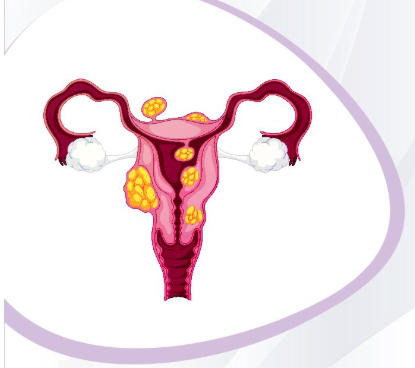
Symptoms of Uterine Cancer — When to See a Specialist
Uterine cancer often shows early warning signs, making timely diagnosis and treatment possible. Abnormal bleeding should never be ignored, especially after menopause. Consult a gynaecological oncologist if you experience any of the following symptoms:
Post-menopausal bleeding is the single most important warning sign of endometrial cancer. Even a small amount of vaginal bleeding after menopause requires immediate medical evaluation by a gynaecological oncologist.
Risk Factors for Uterine / Endometrial Cancer
Certain medical, hormonal, and lifestyle factors can significantly increase the risk of developing uterine cancer or endometrial cancer.
Obesity
Excess body fat increases oestrogen production, which directly stimulates the endometrium and raises endometrial cancer risk.
PCOS (Polycystic Ovarian Syndrome)
Chronic hormonal imbalance and unopposed oestrogen exposure increase the likelihood of uterine cancer.
Diabetes & Insulin Resistance
Women with diabetes or insulin resistance have a higher incidence of endometrial cancer.
Nulliparity
Women who have never been pregnant are at a relatively higher risk of developing uterine cancer.
Late Menopause
Menopause after the age of 55 increases prolonged hormonal exposure and raises cancer risk.
Oestrogen-Only Hormone Therapy
Long-term use of oestrogen-only HRT without progesterone can increase the risk of endometrial cancer.
Tamoxifen Use
Women taking tamoxifen for breast cancer treatment may have a slightly increased risk of uterine cancer.
Family History & Genetic Syndromes
A family history of endometrial, colorectal, ovarian, or Lynch syndrome-related cancers increases the risk significantly.
Women with multiple risk factors should consider proactive screening and regular consultations with a gynaecological oncologist, even if no symptoms are currently present.
How Uterine Cancer Is Diagnosed
Accurate diagnosis and staging are essential before starting uterine cancer treatment. A structured diagnostic approach helps determine the extent of disease and guides personalised treatment planning.
Uterine Cancer Treatment Options
Uterine cancer treatment is personalised based on cancer stage, tumour type, age, and overall health. Surgery is the most common and effective treatment for early-stage disease.
Surgical Treatment
- Total laparoscopic hysterectomy (TLH + BSO)
- Robotic-assisted hysterectomy
- Pelvic & para-aortic lymph node evaluation
- Sentinel lymph node biopsy
- Faster recovery
- Smaller incisions
- Less pain & shorter hospital stay
Radiotherapy
External beam radiation or vaginal brachytherapy may be recommended after surgery to reduce recurrence risk.
Hormonal Therapy
Progesterone-based hormonal treatment may help selected low-grade and fertility-preserving cases.
Chemotherapy
- Used in advanced or high-grade cancers
- Helps control cancer spread
- Often combined with radiation therapy
Why Choose Dr. Raj Kiran for Uterine Cancer Treatment in North Delhi
Advanced expertise in uterine cancer treatment with minimally invasive, robotic, and fertility-focused gynaecological oncology care.
DrNB Subspecialty Training
Specialised DrNB training in gynaecological oncology and surgical treatment of uterine cancer.
Robotic & Laparoscopic Expertise
Advanced robotic and laparoscopic surgery for faster recovery, minimal pain, and better surgical precision.
Minimally Invasive First Approach
Smaller incisions, reduced blood loss, shorter hospital stays, and quicker return to daily life.
Sentinel Lymph Node Technique
Targeted lymph node mapping helps reduce unnecessary surgery and lowers the risk of lymphoedema.
Fertility-Sparing Options
Conservative hormonal management for carefully selected young women with early-stage disease.
Two Premier Hospital Locations
Consultation and surgery available at BLK-Max Super Speciality Hospital and Max Super Speciality Hospital, Shalimar Bagh.